


 Dec 10, 2025
 3 min read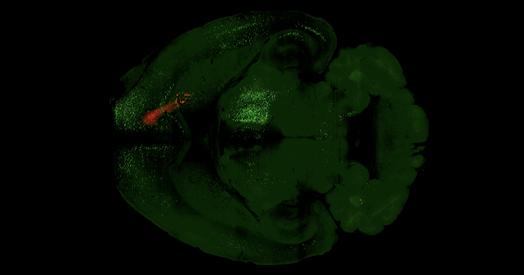
The neural activity induced by psychedelic drugs strengthens the input of the sensory brain areas and weakens the cortico-cortical feedback loops.
Psilocybin taps into specific mouse cortical networks that last for approx
Neuronal activity induced by psychedelic drugs increases signals from sensory areas of the brain and weakens cortico-cortical recurrent loops.
A single dose of psilocybin induces widespread network-specific changes in cortical circuits in mice, according to a new study published today in the journal Cell.
The results help explain how psilocybin can produce lasting changes in behavior, and they identify "the neurons that are most affected," says Andrea Gomez, an assistant professor of molecular and cellular biology at the University of California, Berkeley, who was not involved in the study.
Specifically, psychedelics strengthen cortical inputs from sensory brain areas and weaken inputs to cortico-cortical recurrent loops.Overall, these changes in the network suggest that psychedelics redirect information in a way that improves responses to the outside world and reduces rumination, says study researcher Alex Kwan, a professor of biomedical engineering at Cornell University."This study provides more mechanistic insight into why the drug may be a good antidepressant."
Rewiring is not static, Kwan adds: "It can be affected by manipulating neural activity" during psychedelic therapy.
By identifying this locus of psychedelic-induced changes, researchers can dissect how these neuronal ensembles coordinate "to create specific perceptions or specific cognitions," Gomez said.
Wan's team focused on the mouse dorsal medial prefrontal cortex (dmPFC), which contains the anterior cingulate cortex, an important center for serotonin receptors targeted by psilocybin. A single dose of psilocybin increased the growth of dendritic spines, according to a 2021 study by Kwan's team.And the treatment reduced the animals' stress-related behaviors, but pyramidal tract neurons—one of the main types of excitatory neurons in the dMPFC—were active, Kwan's team reported in April.
In the new study, researchers used molecular tracking methods and a 3D reference atlas of pyramidal tract neurons in a 3D reference atlas of the mouse brain and another cortical typology in response to a single dose of psilocybin.
About a week after the treatment, the pyramidal neurons in the mouse decreased to the level of control, which is important for emotional regulation.
Inputs from intratelencephalic neurons showed a different pattern of changes.These neurons are part of recurrent corticocortical loops and receive strong input from other sensory areas.The researchers found that psilocybin weakens these inputs.
Neuronic activity when the brain helps to shape these changes, research shows.One of the areas that have increased their expression in the largest Pyramidal Cell is the Post-Cortal Cortex.Mental illness in the health of the Thief in Nyu Langone health, which is not of education.Psychedelics are tapping this network to produce therapeutic effects, Siegel said.
Centoplenial Cortex pre-test on cermail anteri verior throws out its messages about 15 minutes after psilocybin injection, study reports.However, when the researchers were chemically unaware of this prior to the delivery of psilocybin, it did not lead to an increase or decrease in Iortexy Bingkah pressure.
The findings show how psychedelics affect neural networks depends on their activity during acute dosing, says Siegel."And if you disrupt what happens during an acute dose—especially in terms of neural firing—you can disrupt the long-term effects of the drug," Siegel adds. "This result may imply that the context and subjective experience of psychedelic treatment is critical to long-term therapeutic benefits."
Using combinations of viruses to track neural connections in living animals is tricky because "you have to show you're doing what you want and show you're not disrupting the system in a way that confounds your results," said Melissa Herman, an associate professor of pharmacology at the University of North Carolina at Chapel Hill, who was not involved in the study. Herman says the study is well done and is a particularly good example of using pathways provided by model organisms to elucidate network-specific changes in ways that aren't possible in humans.
Kwan's team is trying to understand what matters and the body's circuits, "ultimately to improve statistics and make better drugs," Kwan said. The new findings indicate what important environments expand and control or destroy during long-term emotional experiences, he said. He has received results from many pharmaceutical companies, including those that deal with related materials, but he said no company pays for any part of the new research.